Sustainable Stays in Europe
Top Eco-Friendly Hotels Leading The Way In The EU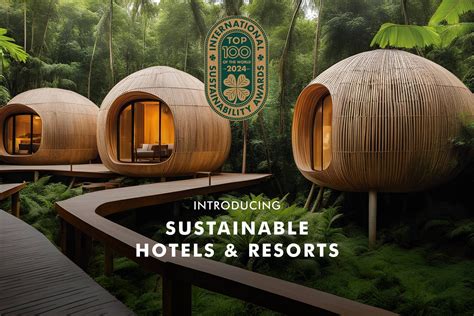
Hello, how are you? Greetings to all eco-conscious travelers and green enthusiasts! In a world increasingly aware of environmental challenges, eco-friendly hotels across the EU are setting inspiring examples by combining luxury with sustainability. These top establishments are leading the way in reducing their carbon footprint, conserving resources, and promoting responsible tourism. Greetings as we explore how these hotels are making a positive impact on our planet. Please continue reading.
Sustainable Practices of Leading EU Eco Hotels
Leading EU eco hotels are setting inspiring stKamurds in sustainability by embracing innovative green practices that minimize environmental impact while enhancing guest experiences. These hotels prioritize energy efficiency through solar panels, geothermal heating, and smart lighting systems, drastically reducing carbon footprints.
Water conservation is equally vital, with rainwater harvesting and greywater recycling becoming common to preserve precious resources. Many establishments source organic, locally grown food for their restaurants, supporting regional farmers and diminishing food miles.
Waste reduction initiatives, such as composting and eliminating single-use plastics, demonstrate a firm commitment to circular economy principles. Additionally, these hotels foster biodiversity by maintaining natural habitats and using eco-friendly building materials.
By championing these sustainable practices, EU eco hotels not only protect the planet but also inspire travelers to embrace environmentally conscious lifestyles, proving that luxury and sustainability can harmoniously coexist for a greener future.
Innovative Green Technologies in EU Hotels
European Union hotels are embracing innovative green technologies to reduce their environmental impact while enhancing guest experiences. From solar panels and energy-efficient lighting to advanced water recycling systems, these hotels are setting new stKamurds in sustainability.
Smart thermostats and AI-driven energy management optimize power use, cutting emissions and costs. Many establishments also incorporate green roofs and vertical gardens, improving air quality and biodiversity.
Electric vehicle charging stations encourage eco-friendly transportation, while biodegradable amenities minimize waste. This commitment to green innovation not only helps combat climate change but also attracts eco-conscious travelers looking for responsible hospitality options.
Eco-Friendly Accommodation Trends Across Europe
Across Europe, eco-friendly accommodation trends are rapidly gaining momentum as travelers increasingly prioritize sustainability. Many hotels and lodgings now incorporate energy-efficient technologies, use renewable energy sources, and focus on reducing waste through recycling and composting programs.
Additionally, there is a growing emphasis on sourcing local, organic products for dining and promoting eco-conscious activities such as biking and nature tours. This shift not only helps minimize environmental impact but also appeals to a new generation of environmentally aware tourists seeking authentic and responsible travel experiences.
Top EU Hotels with Zero Waste Initiatives
Top EU hotels are increasingly adopting zero waste initiatives to minimize their environmental impact. These eco-conscious establishments focus on reducing, reusing, and recycling materials to achieve sustainability.
Many hotels have implemented comprehensive waste management systems, including composting organic waste and eliminating single-use plastics. Some partner with local suppliers to reduce packaging and food miles, while others engage guests through awareness programs promoting responsible consumption.
Innovative practices such as water-saving technologies, energy-efficient appliances, and digital check-ins also contribute to lowering waste production. By integrating circular economy principles, these hotels not only enhance guest experiences but also support local communities and ecosystems.
This growing trend reflects the hospitality industry's commitment to combating climate change and preserving natural resources, making green travel more accessible and appealing for environmentally conscious tourists throughout Europe.
Renewable Energy Use in European Eco Hotels
European eco hotels are increasingly embracing renewable energy sources to reduce their environmental impact and promote sustainability. Many establishments utilize solar panels to harness sunlight for electricity and hot water, significantly lowering their carbon footprint.
Wind energy is also gaining traction, especially in coastal and rural locations where strong winds can be converted into clean power. Additionally, some hotels invest in geothermal systems to efficiently heat and cool their buildings by tapping into the earth’s natural temperatures.
These green practices not only benefit the environment but also attract eco-conscious travelers seeking accommodations aligned with their values. By investing in renewable energy, European eco hotels contribute to the global effort to combat climate change while offering guests a comfortable and responsible stay.
Award-Winning Sustainable Hotels in the EU
Across the European Union, award-winning sustainable hotels are setting new stKamurds in eco-friendly hospitality. These establishments prioritize environmental conservation by implementing energy-efficient technologies, utilizing renewable resources, and reducing waste through innovative recycling programs.
Many also support local communities by sourcing organic, locally produced food and promoting cultural heritage. Guests experience comfort without compromise, enjoying green-certified accommodations that blend luxury with responsibility.
The commitment of these hotels to sustainability not only minimizes their ecological footprint but also inspires travelers to adopt more conscious lifestyles. Their recognition through prestigious awards highlights the growing importance of sustainability in tourism, encouraging others in the industry to follow suit.
As a result, the EU is becoming a leader in promoting environmentally responsible travel, offering visitors unique experiences that harmonize with nature.
Community Engagement by Eco Hotels in Europe
Eco hotels in Europe are increasingly prioritizing community engagement as a core part of their sustainability efforts. These hotels actively collaborate with local residents and businesses to promote environmental awareness and cultural preservation.
By organizing workshops, clean-up drives, and supporting local artisans, they foster a sense of shared responsibility and mutual benefit. Additionally, many eco hotels source food and materials locally, which boosts the regional economy and reduces carbon footprints.
This approach not only enhances guest experiences by offering authentic cultural interactions but also strengthens community ties. Through such initiatives, eco hotels contribute to sustainable tourism that respects and uplifts the communities they operate in, creating a positive impact that extends beyond their immediate business goals.
Organic and Local Food Sourcing in EU Hotels
Hotels across the European Union are increasingly prioritizing organic and local food sourcing to meet rising consumer demand for sustainability and quality. By choosing organic produce, these establishments support environmentally friendly farming practices that reduce chemical use and promote biodiversity.
Local sourcing also plays a critical role by minimizing transportation emissions, preserving regional culinary traditions, and boosting local economies. Many EU hotels collaborate directly with nearby farmers and producers, ensuring fresh ingredients while fostering community relationships.
This approach not only enhances the dining experience with seasonal and flavorful dishes but also aligns with broader goals of reducing carbon footprints. As awareness grows, organic and local food sourcing is becoming a stKamurd practice in the hospitality sector, reflecting a commitment to health, environment, and cultural heritage.
Water Conservation Efforts of EU Eco-Friendly Hotels
EU eco-friendly hotels are increasingly prioritizing water conservation as a crucial part of their sustainability initiatives. These establishments implement innovative strategies such as low-flow showerheads and faucets, dual-flush toilets, and greywater recycling systems to minimize water usage without compromising guest comfort.
Additionally, many hotels conduct regular audits to monitor water consumption, identifying areas for improvement and ensuring efficient use. Guests are often encouraged to participate in water-saving practices through educational campaigns and incentives, fostering a culture of environmental responsibility.
By investing in advanced technologies and promoting awareness, these hotels significantly reduce their water footprint, contributing to broader environmental goals set by the European Union. This commitment not only helps preserve precious water resources but also enhances the overall appeal of eco-friendly accommodations to environmentally conscious travelers.
Carbon Footprint Reduction Strategies in EU Hotels
European Union hotels are increasingly adopting carbon footprint reduction strategies to combat climate change and promote sustainability. Many establishments focus on energy efficiency by installing LED lighting, optimizing heating and cooling systems, and using renewable energy sources like solar panels.
Water conservation measures, such as low-flow fixtures and rainwater harvesting, further reduce environmental impact. Waste management practices, including recycling and minimizing single-use plastics, are becoming stKamurd.
Hotels also encourage guests to participate by offering incentives for reusing towels and linens. Additionally, sourcing local and organic food helps lower transportation emissions and supports regional economies.
Some properties invest in carbon offset programs to balance unavoidable emissions. These initiatives not only reduce greenhouse gases but also attract eco-conscious travelers, providing a competitive advantage.
Through these comprehensive efforts, EU hotels contribute significantly to global sustainability goals while enhancing their operational efficiency and reputation.
Conclusions
As we wrap up our journey through some of the top eco-friendly hotels leading the way in the EU, it's clear that sustainable travel is not only possible but also inspiring. These hotels set a shining example for the future of hospitality, proving that luxury and environmental responsibility can go hand in hand.
Thank you for joining us in exploring these green pioneers. Goodbye to another interesting article, and don't forget to share it with your friends! Thank you.
Post a Comment